
Why Watercolour Florals Never Go Out of Style in Surface Pattern Design
Apr 30, 2026If you’ve spent any time studying commercial print, you’ll have noticed something: watercolour florals are everywhere. Season after season, collection after collection, from fast fashion to luxury linen — the softly painted flower never seems to go out of style.
That’s not a coincidence. At Longina Phillips Designs, we’ve been painting and selling watercolour floral designs to global fashion brands for over 35 years. We’ve supplied prints featuring this style to brands including Anthropologie, Zara, H&M, Bec & Bridge, and Seafolly. When something sells consistently across that many markets and that many decades, it’s worth understanding why.
Why Watercolour Florals Work Commercially
The commercial durability of watercolour florals comes down to a few key qualities that buyers consistently respond to.
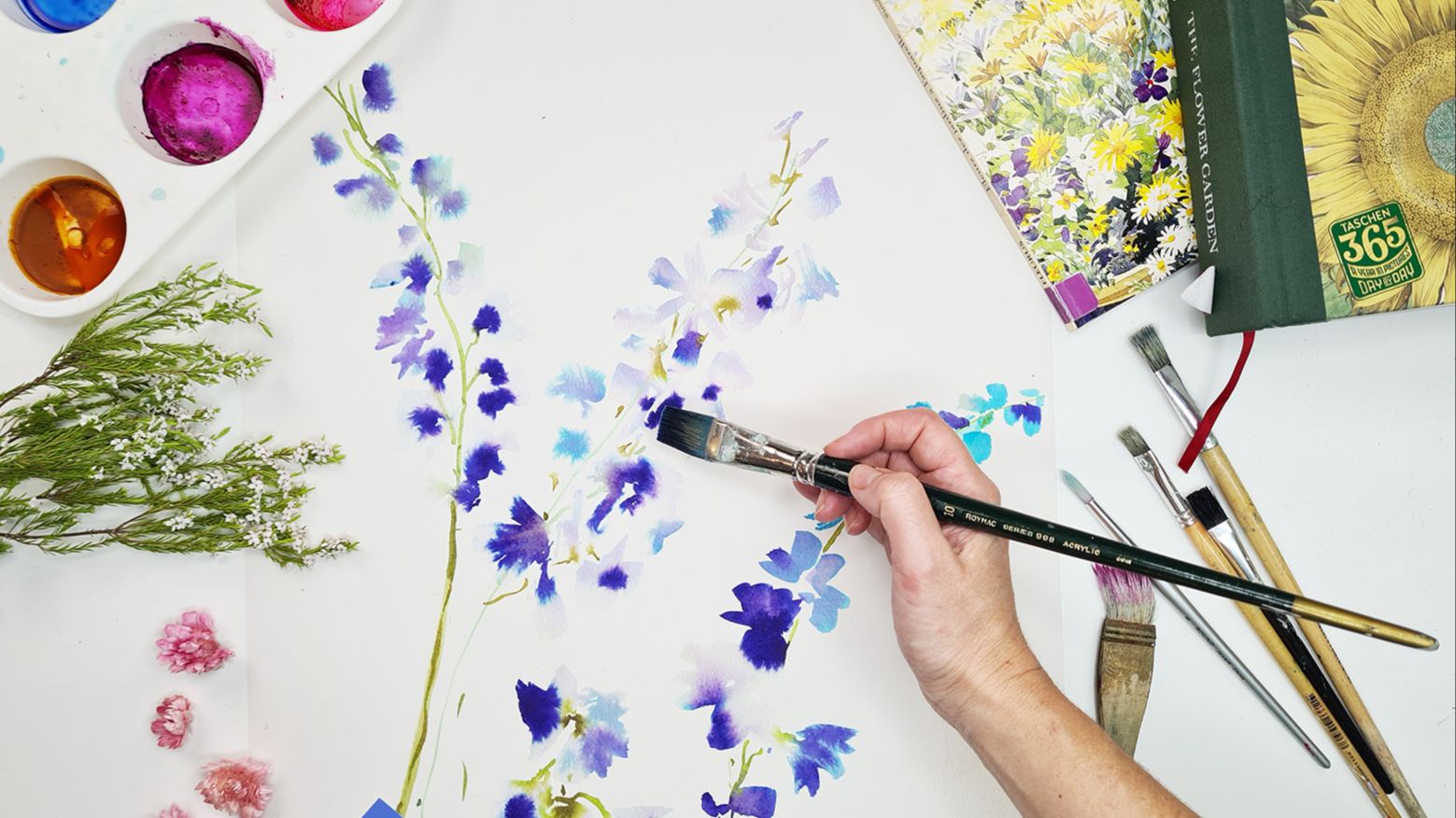
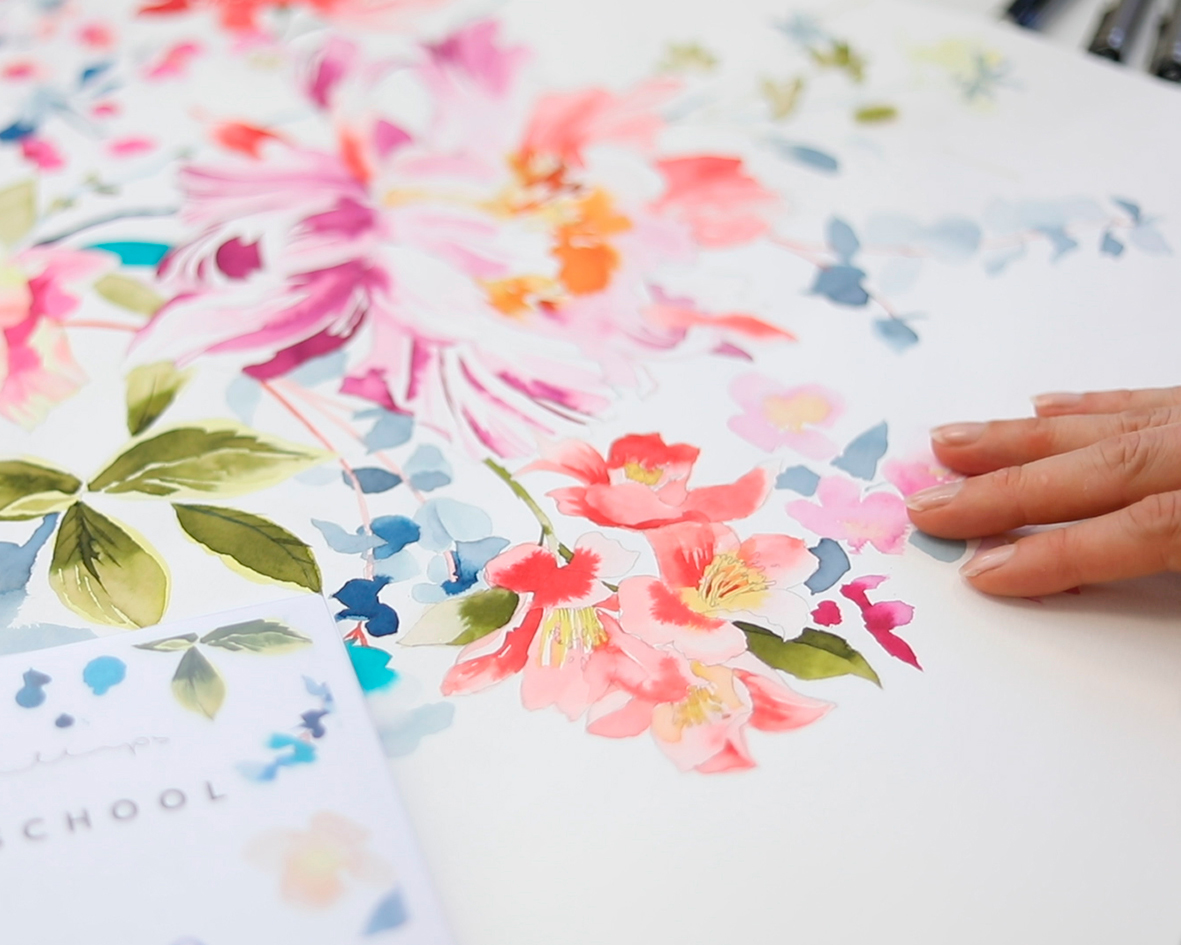
First: the texture. Watercolour has a softness and translucency that digital illustration struggles to replicate. The way paint bleeds into wet paper, the subtle variations in pigment concentration, the unpredictable edges — these qualities give watercolour florals a handmade warmth that reads as premium on product. On fabric, it translates beautifully.
Second: versatility. A well-painted watercolour floral can work at virtually any scale — as a large, statement bloom on a fashion print, as a delicate all-over on a bedsheet, as a repeating border on stationery. The style adapts to the product rather than fighting it.
Third: seasonlessness. While specific florals — tropical leaves for summer, moody dark botanicals for winter — track seasonal trends, the broader category of watercolour florals sells across the year and across markets. It is, as buyers say, a perennial.
Where Watercolour Florals Sell
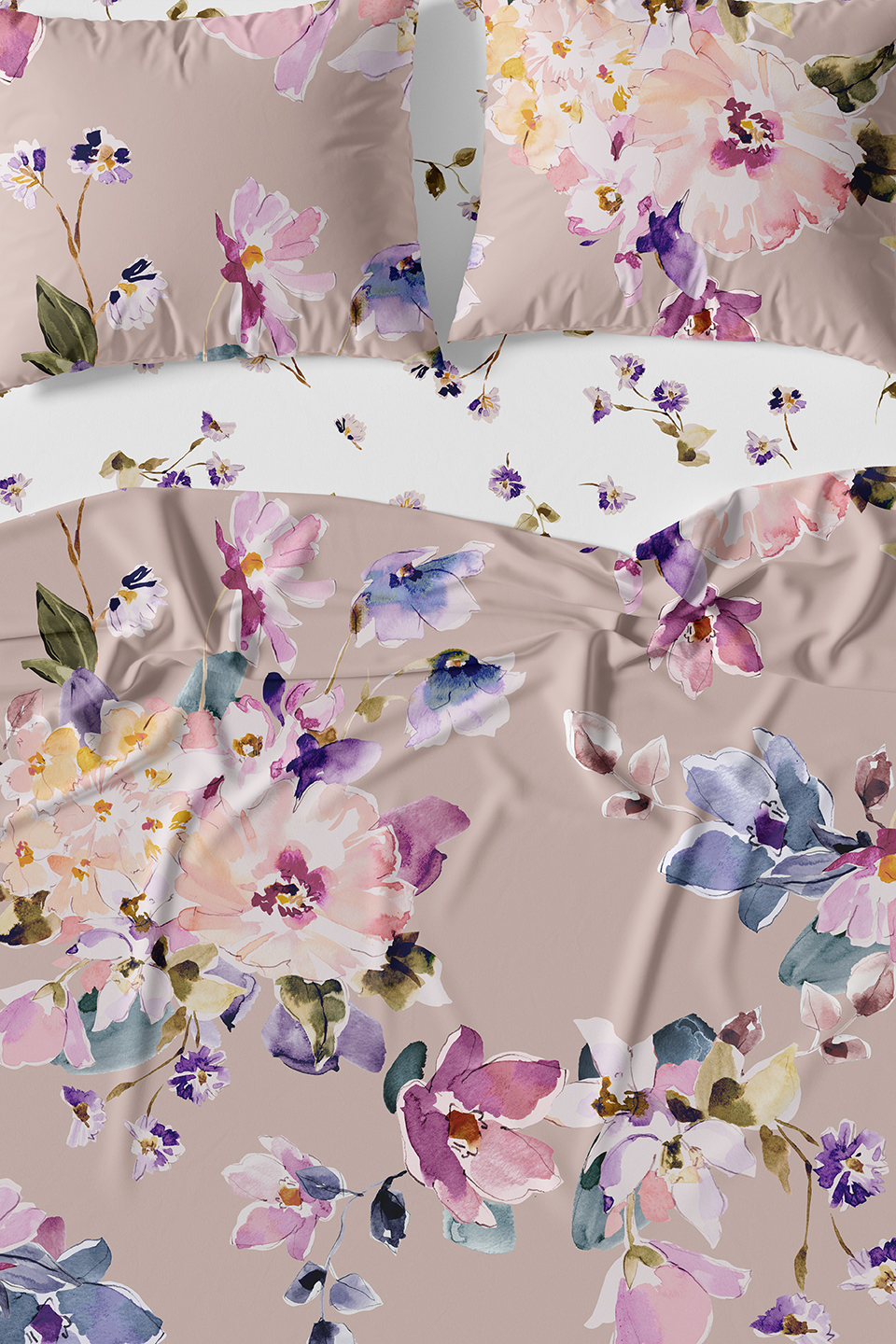
The markets for watercolour floral designs are broader than most new designers realise. Fashion is the obvious one — womenswear in particular, where florals drive a significant proportion of printed garment sales each season. But the category goes well beyond clothing.
Homewares and bed linen are consistently strong markets for botanical watercolour designs. Stationery and giftwrap. Swimwear and resort. Children’s wear (where simplified, bright florals are perennially popular). Print-on-demand platforms like Spoonflower, where handmade-looking florals consistently perform well with the craft and sewing market.
For designers building a print portfolio, having a strong watercolour floral story is essentially table stakes — it’s what most buyers expect to see, and it’s where many designers build their first commercial relationships.
What Makes a Watercolour Floral Design Work (and What Doesn’t)
Not all watercolour florals are created equal. The difference between a design that sells and one that doesn’t usually comes down to a handful of craft decisions that are easy to overlook if you haven’t been trained to see them.
Scale variation is one of the most important. A design built entirely from flowers of the same size reads as flat and repetitive. The most commercially successful watercolour florals combine a hero bloom, a mid-scale supporting flower, and small filler elements — buds, leaves, berries, stems — that give the eye somewhere to travel.
Colour is equally critical. Watercolour has a natural tendency toward washed-out, desaturated tones — which can be beautiful, but can also read as muddy or flat in print. Understanding how to build a palette that retains vibrancy when painted but also reproduces well on fabric is a specific skill. It’s one of the things that separates designers who paint beautiful artwork from designers who produce sellable prints.
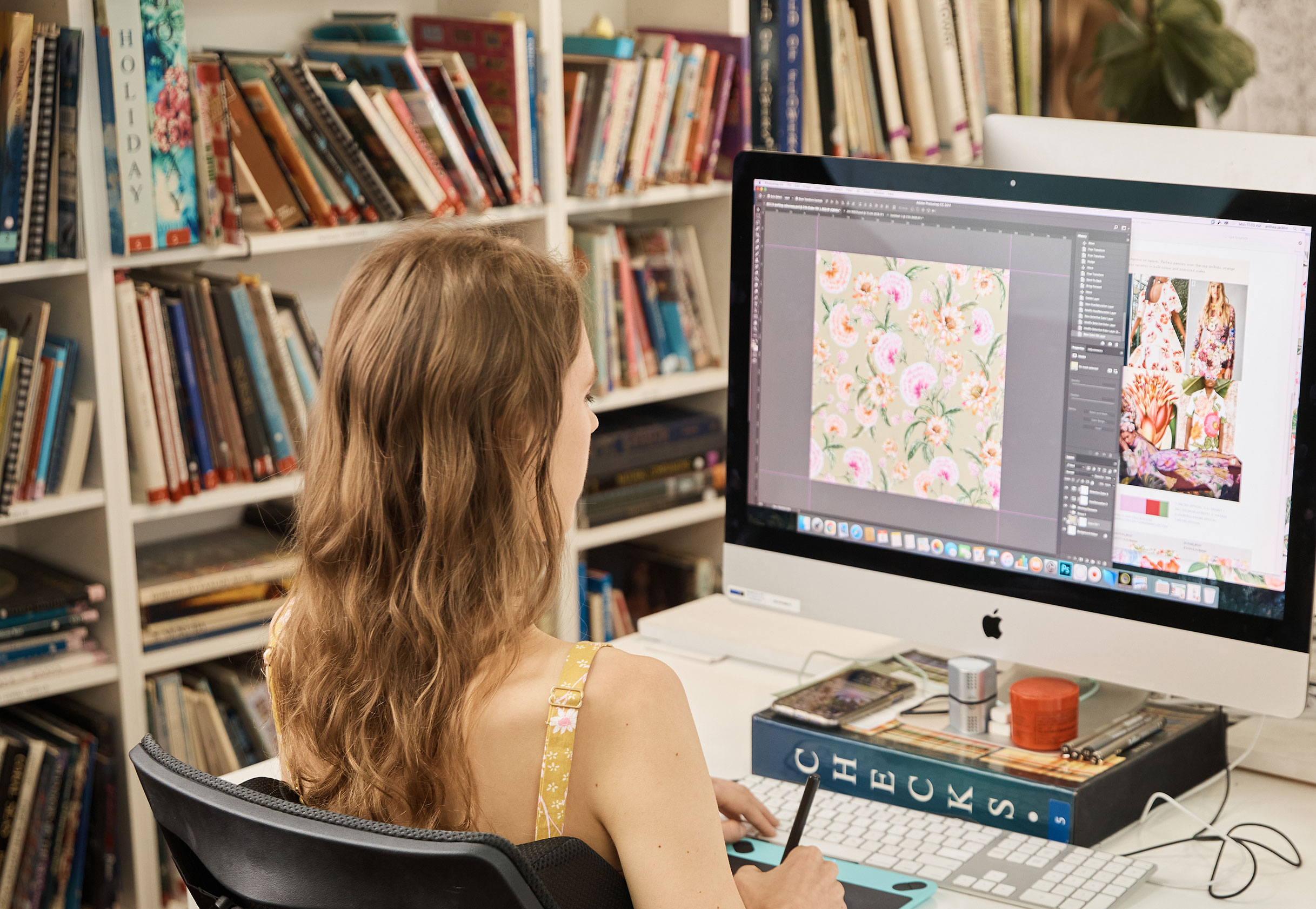
And then there’s the repeat. Getting watercolour florals to tile seamlessly without the joins becoming obvious is a technical challenge — particularly because the soft, irregular edges of watercolour painting are less forgiving than clean digital illustration. Knowing how to manage that in Photoshop is an essential part of the process.
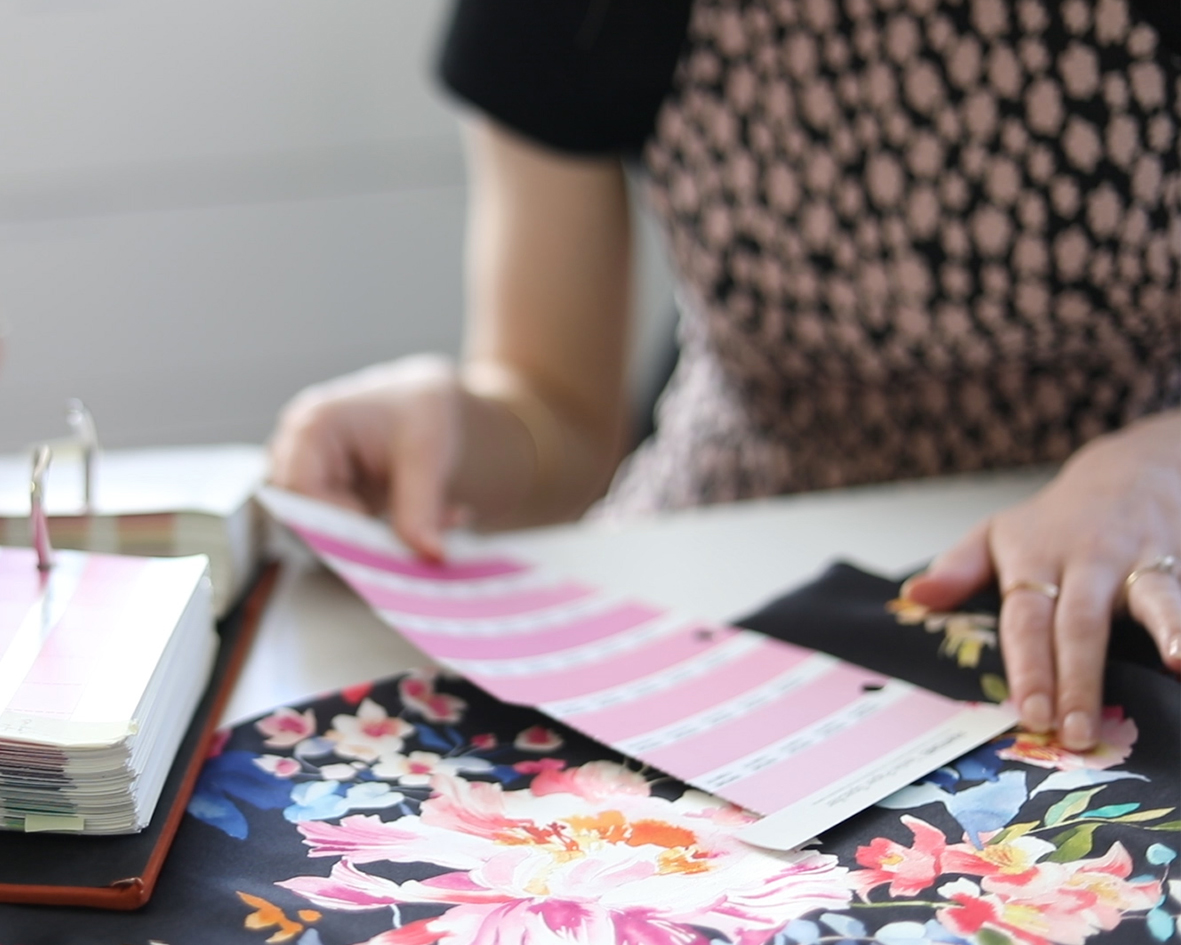
The Tools: Painting Watercolour Florals for Surface Design
Most professional surface designers who work in watercolour use a relatively simple set of tools: quality watercolour paper (300gsm cold press is the standard), professional-grade watercolour paints (the pigment quality makes a real difference when you’re scanning for print), and round brushes in a range of sizes.
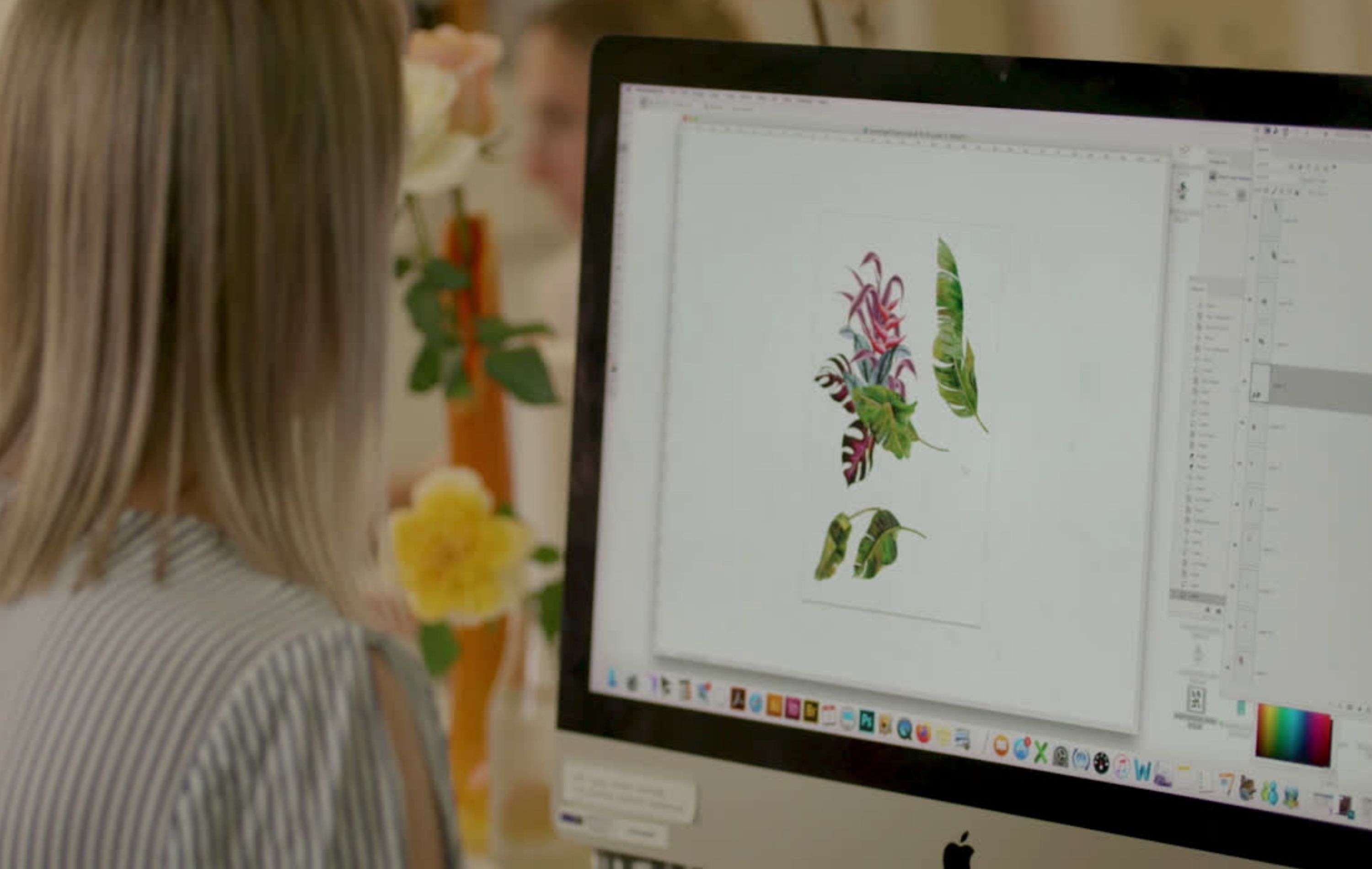
The painting process is only the first half of the workflow. Once you have your artwork, you need to scan it at high resolution (300dpi minimum, 600dpi if possible), clean up the background in Photoshop, isolate individual elements, and build them into a designed, repeating composition. The digital stage is where the commercial design decisions happen — and it’s where many self-taught designers get stuck.
Learn It the Right Way: Watercolour Florals for Surface Design: Intensive
Reading about watercolour florals will only take you so far. Painting them with real commercial impact — knowing how to mix colours that glow rather than go muddy, how to build depth and movement in a petal, how to create compositions that tile seamlessly into a repeating print — is something you learn by doing, with the right guidance.
Our new course, Watercolour Florals for Surface Design: Intensive, is a full creative-to-commercial workflow taught by the in-house team at Longina Phillips Designs. It starts with painting — guided demonstrations that take you from your first brushstroke through to expressive, portfolio-ready florals, even if you’ve never painted before. Then it moves into the digital workflow: taking your painted artwork into Photoshop and producing finished, professional surface design prints that are ready to show buyers.
This isn’t just a painting class. It’s the full picture, taught by people who have been doing this commercially for over 35 years.
→ Enrol in Watercolour Florals for Surface Design: Intensive
Stay connected with news and updates!
Join our mailing list to receive the latest news and updates from our team.
Don't worry, your information will not be shared.
We hate SPAM. We will never sell your information, for any reason.
